|
| |
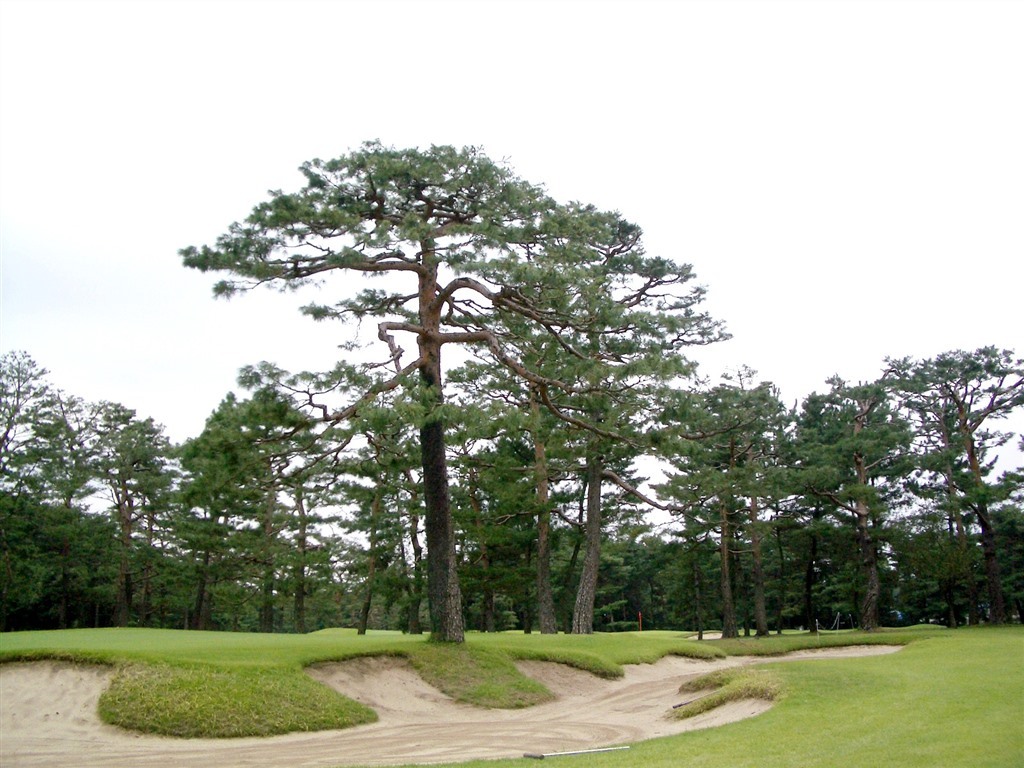
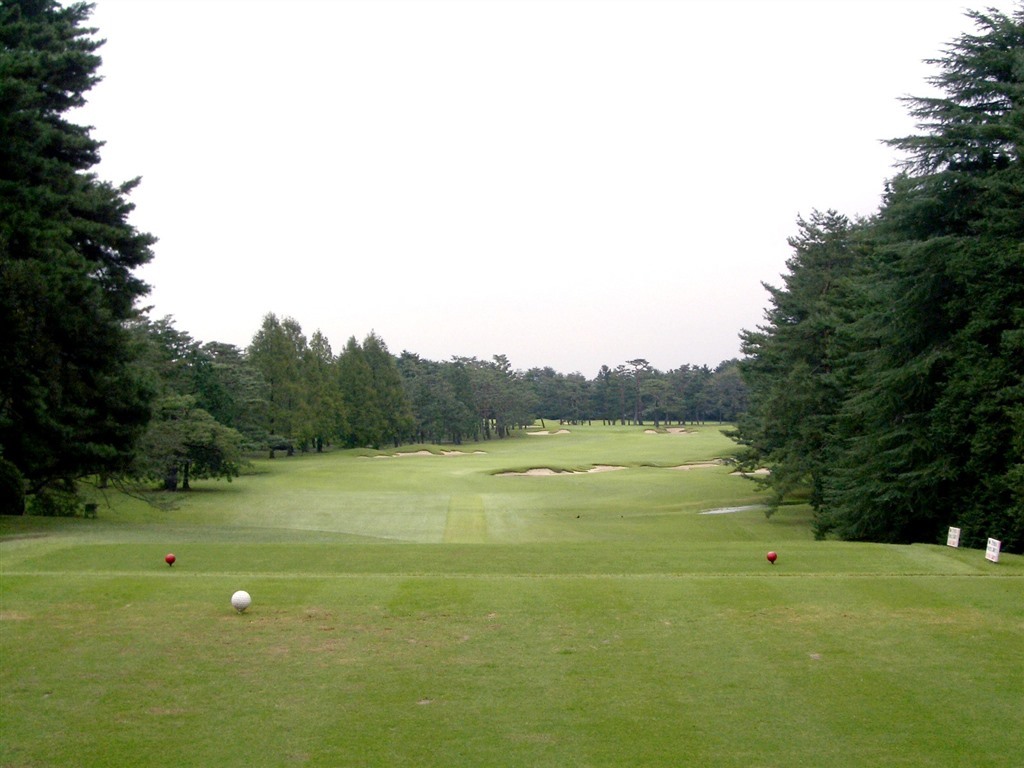
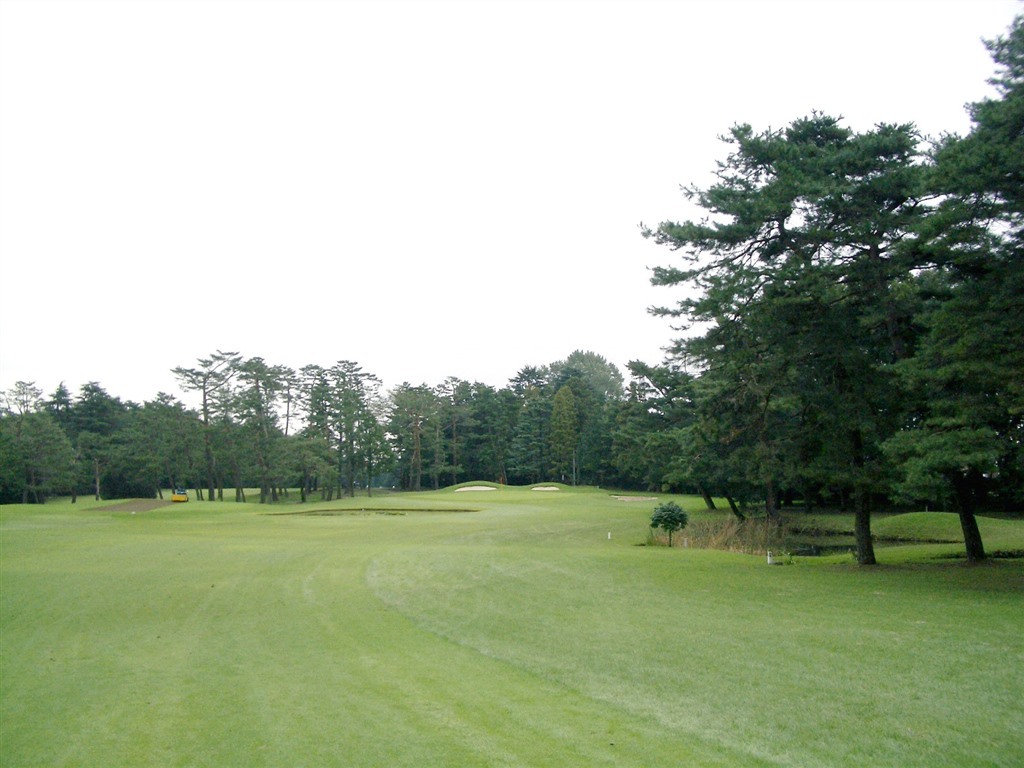
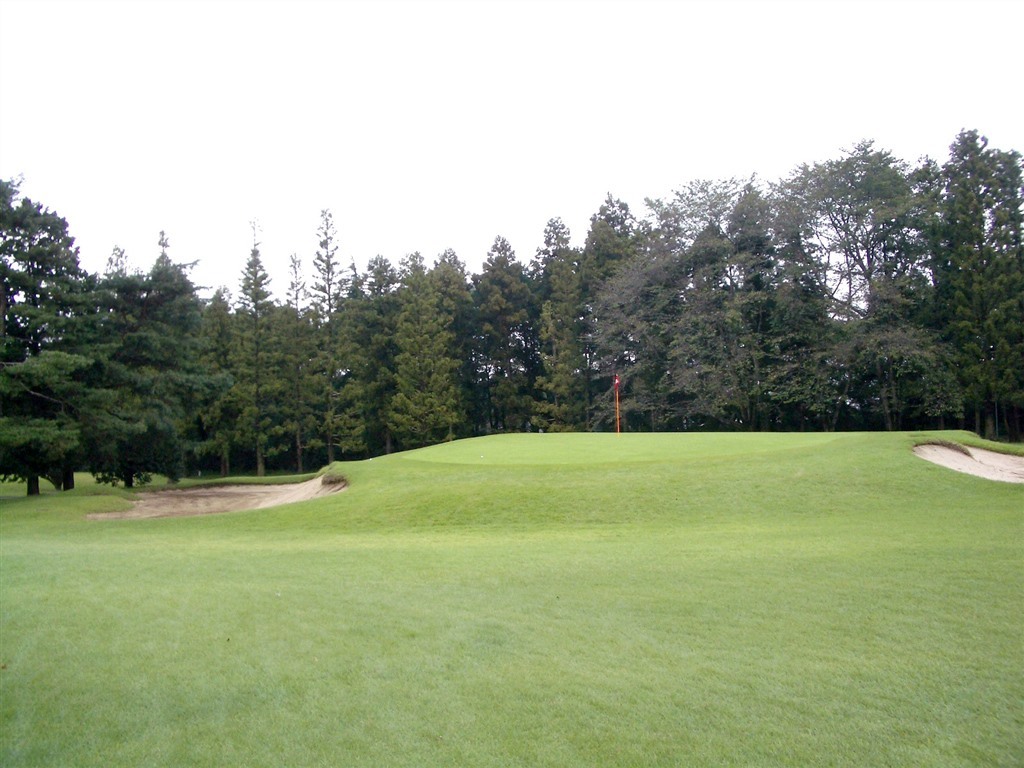
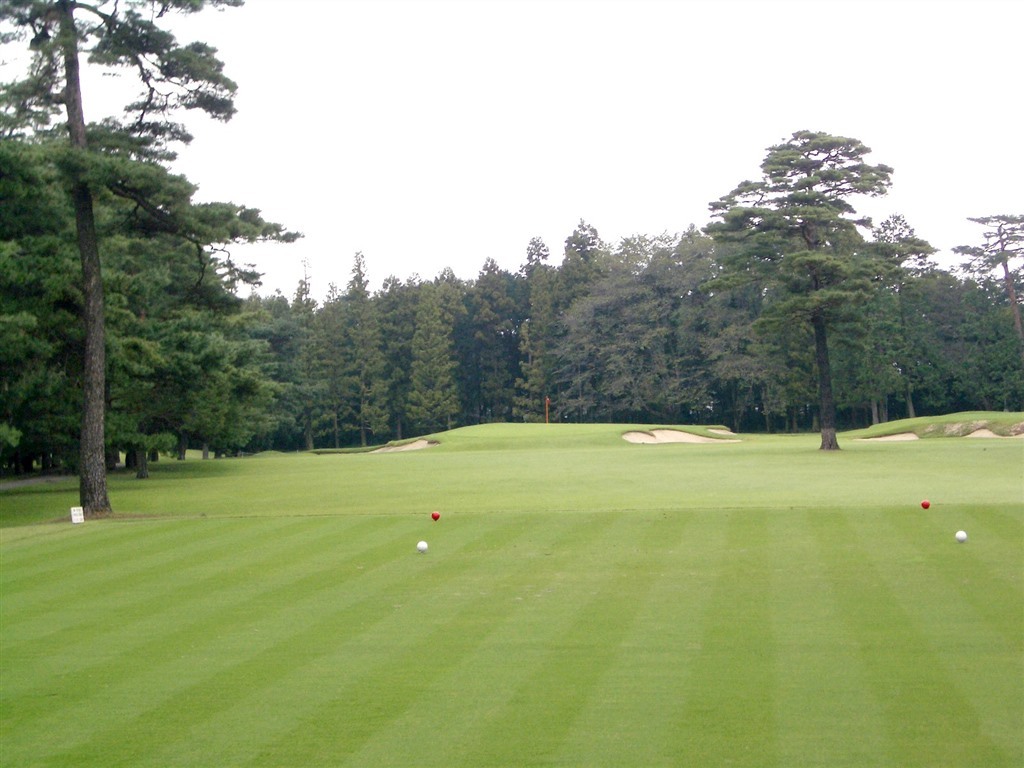
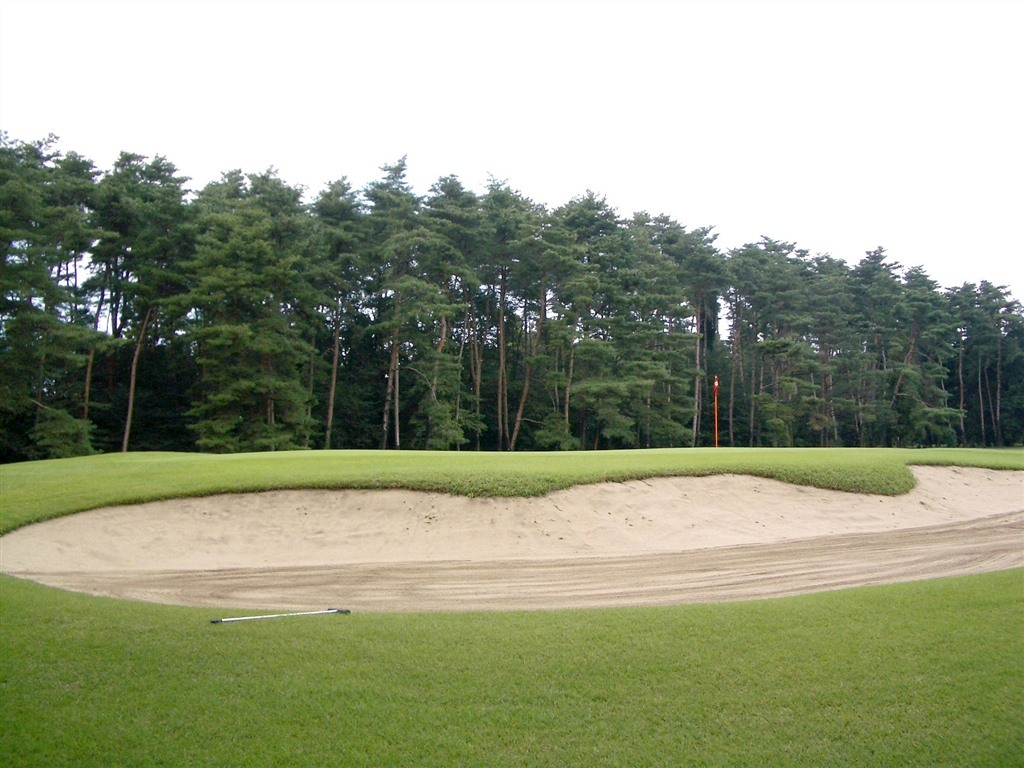
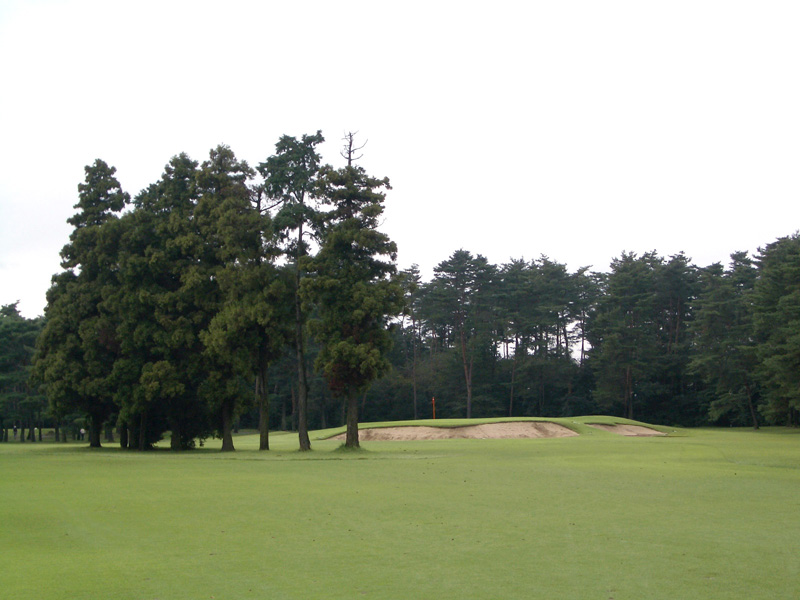
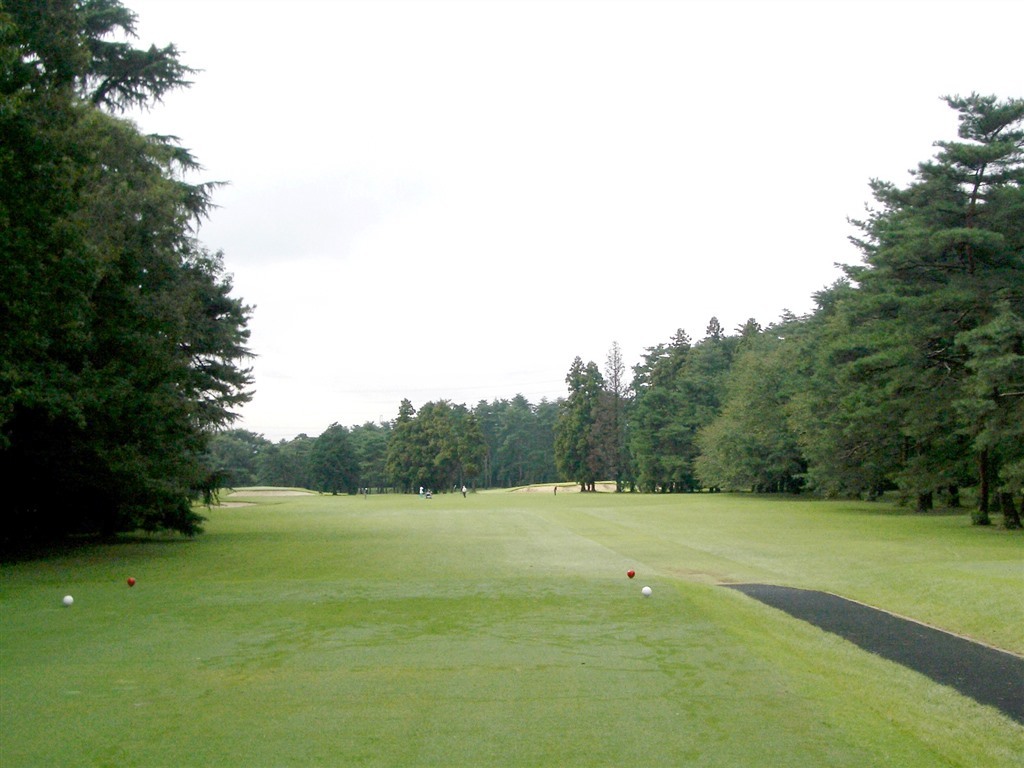
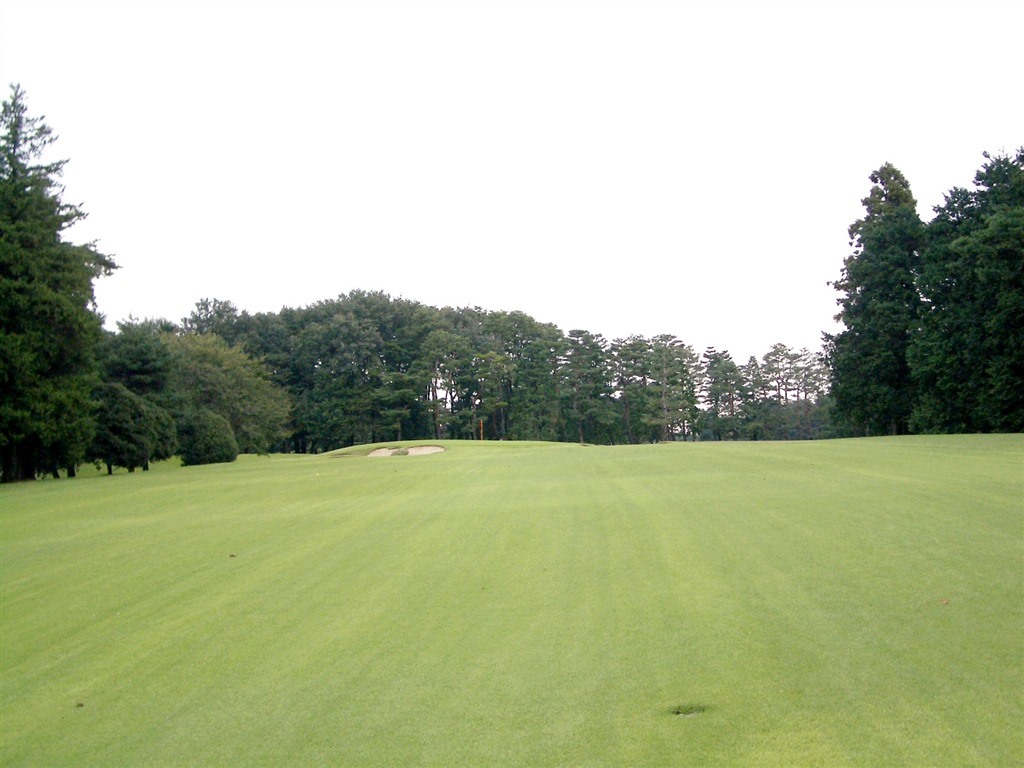
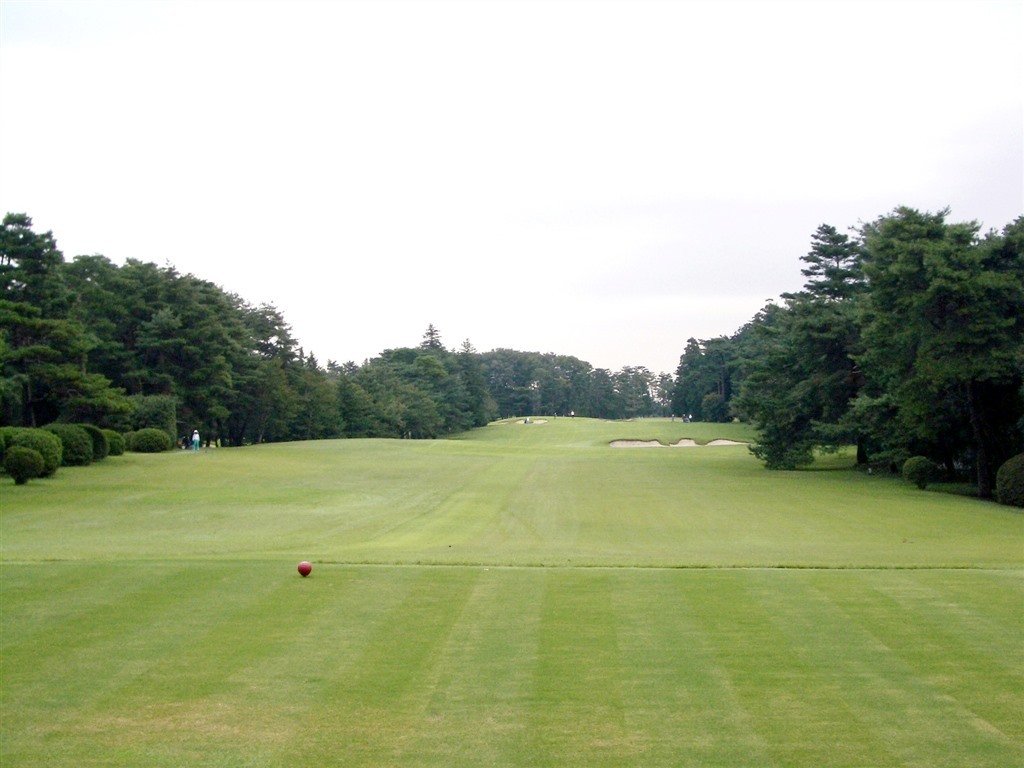
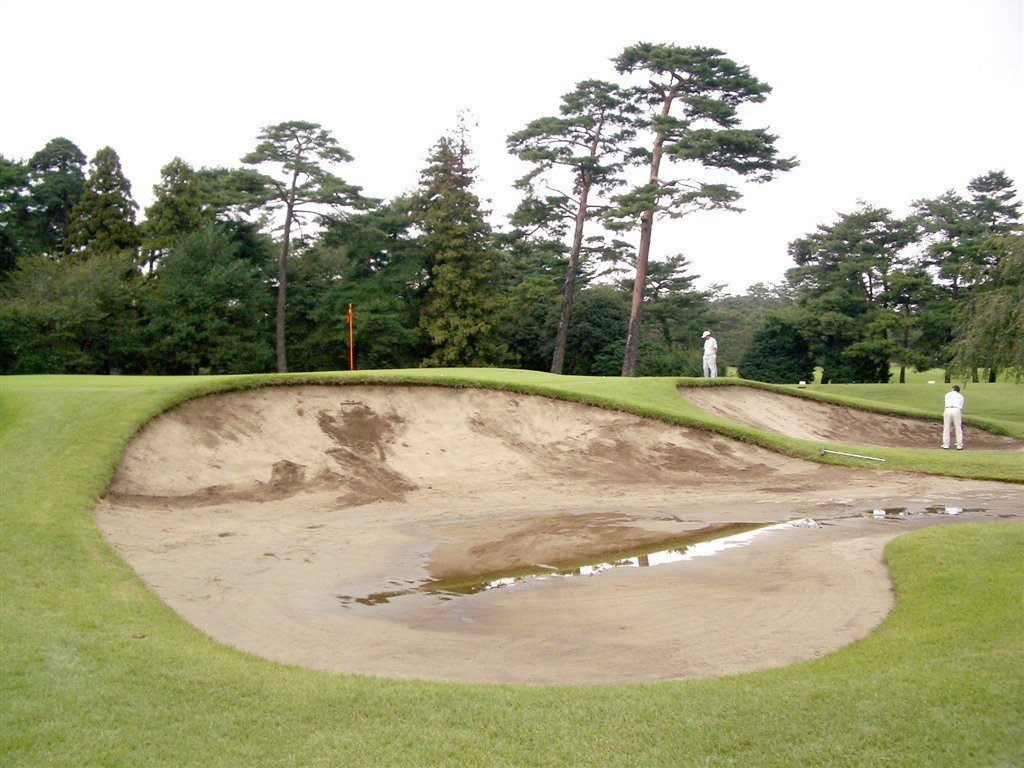
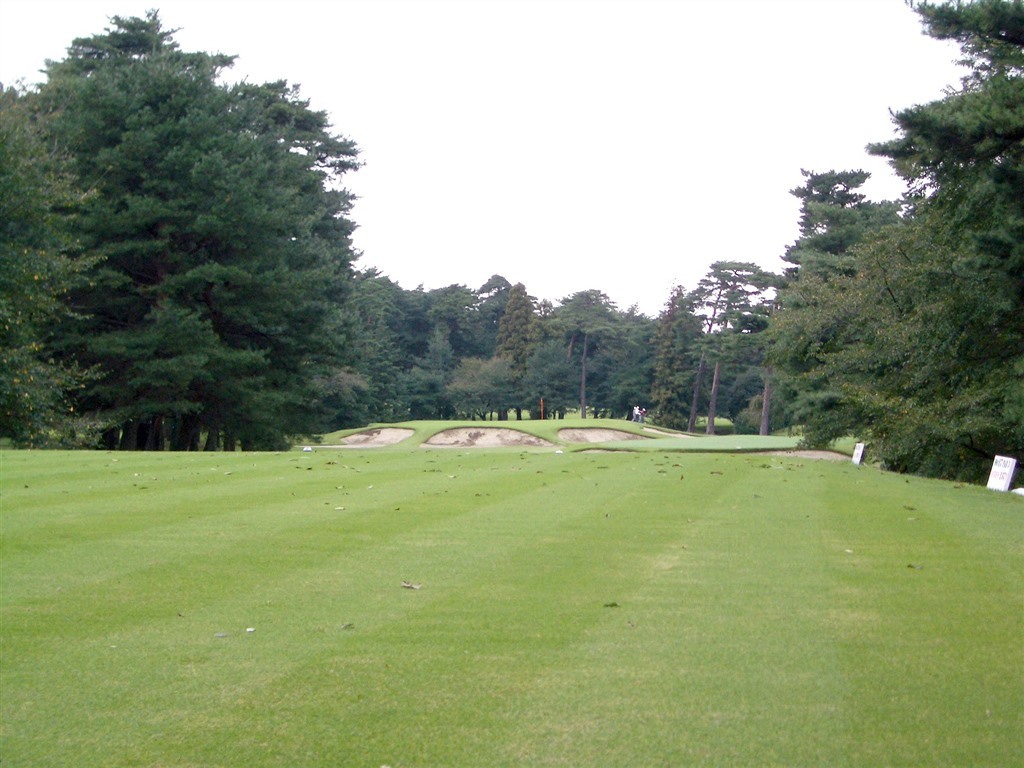
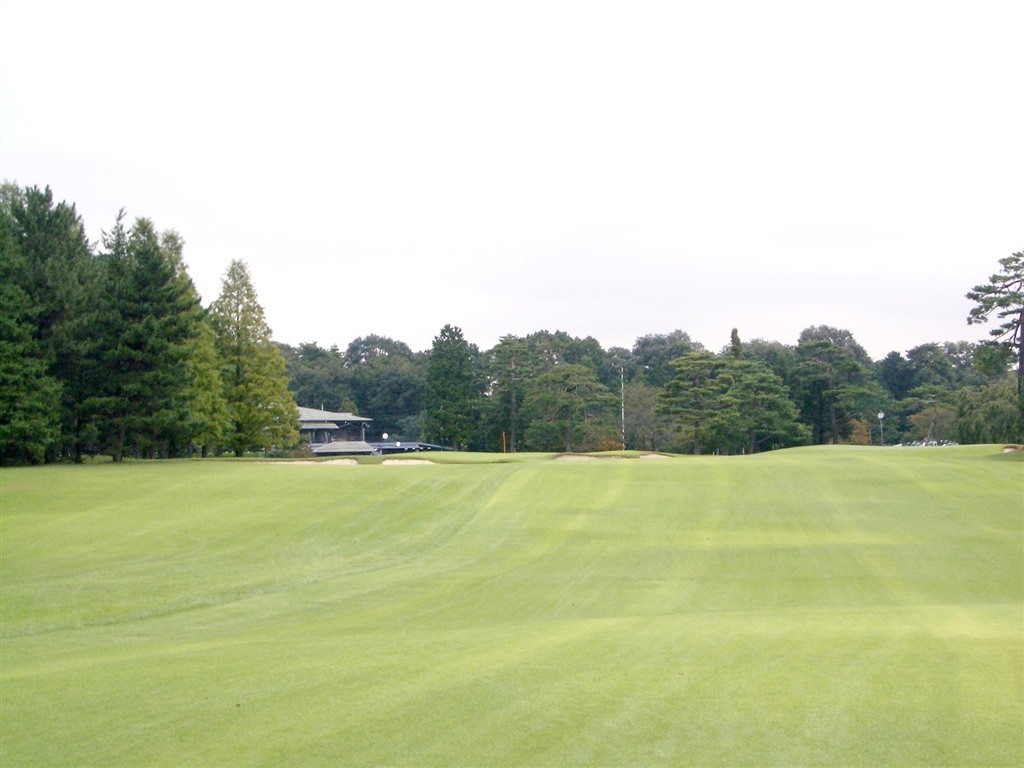
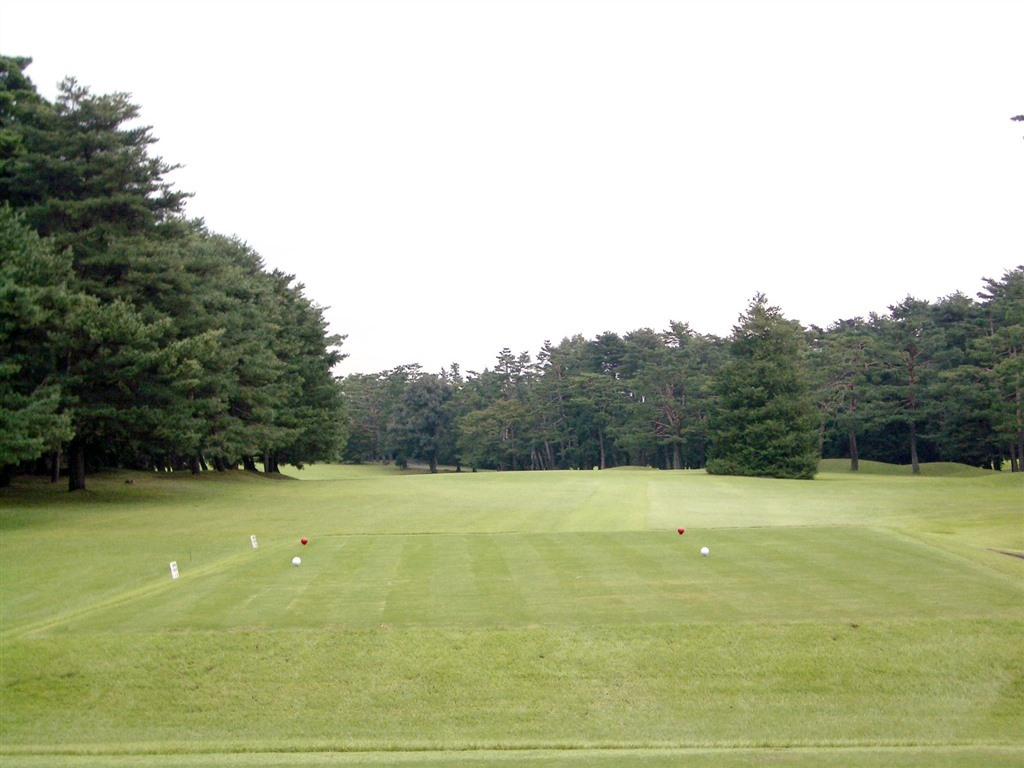
| A slight dogleg to the right with the downhill
tee shot from an elevated tee. A carry of 190-250 yards is needed to clear
3 bunkers crossing on a slant on the right half of the fairway. Another
bunker is waiting for your pulled shots to the left 240 yards off the tee.
The red pine tree next to the green is superb. |
| |
| |
|
| |
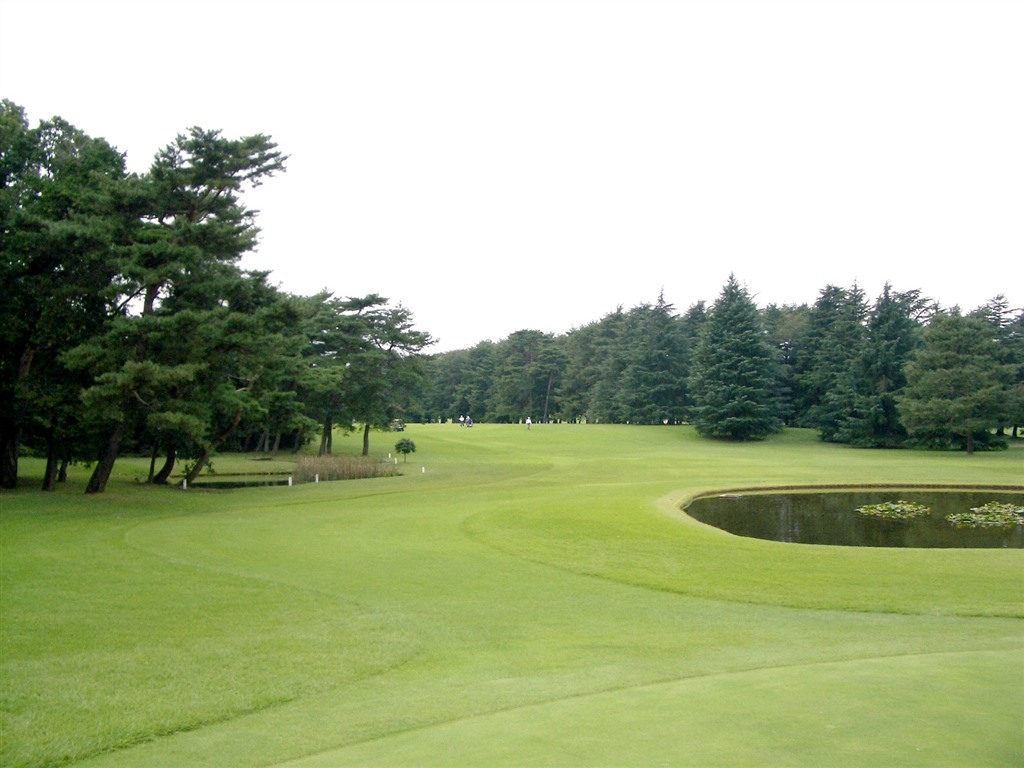
| A
gentle dogleg to the right with an OB on the right. There is a pond in front of
the green. |
| |
| |
|
| |
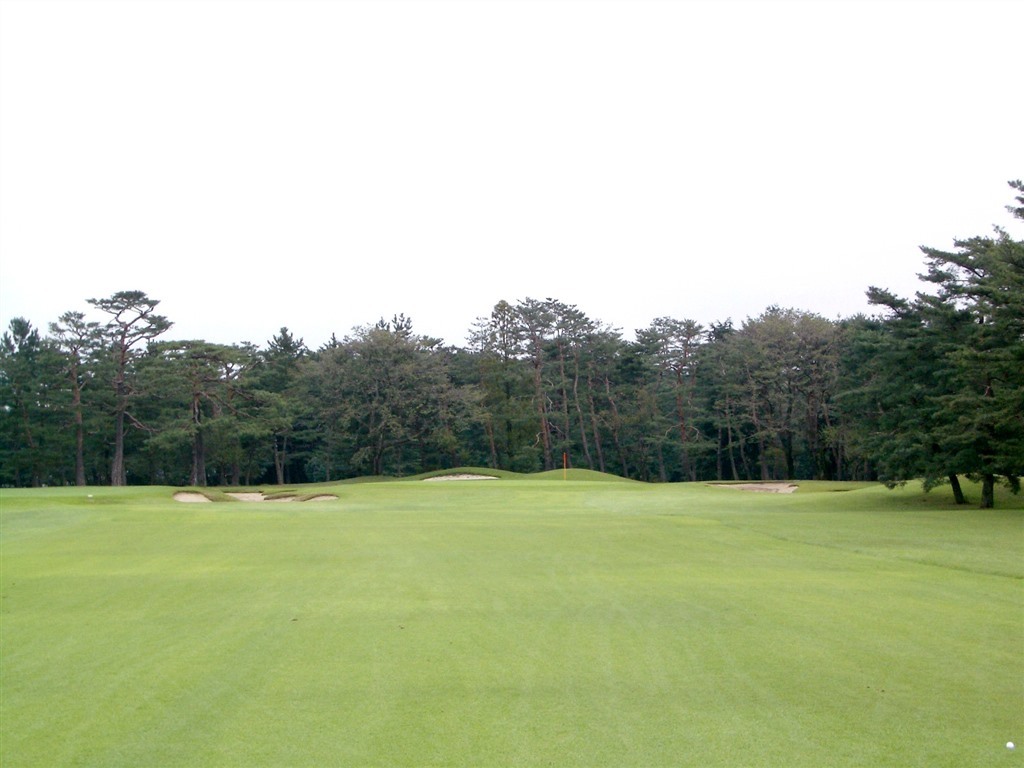
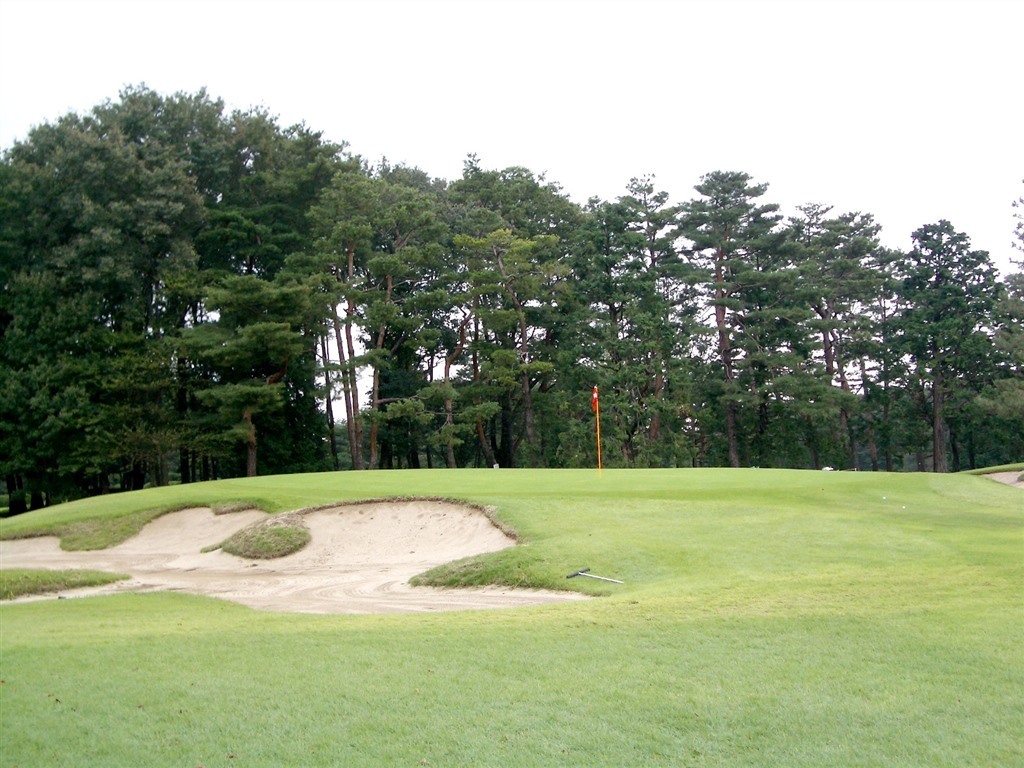
| A difficult hole that doglegs to the
left。A straight or right to left ball is required off the tee. The green is elevated.
A bunker guarding the left side of the green is deep, so it should be avoided. |
| |
| |
| This par 3 is characterized by
the green. The right half of the elevated green have few slopes and the left half
slopes sharply from the rear to the left front. When the pin position is at the
center, a good shot to hit onto a little left of the pin, a slope will carry your
ball down to left edge of the green. A bunker on the left of the green should
be avoided as it is difficult to save par from there. A fade ball best suites
this demanding hole. |
|
| |
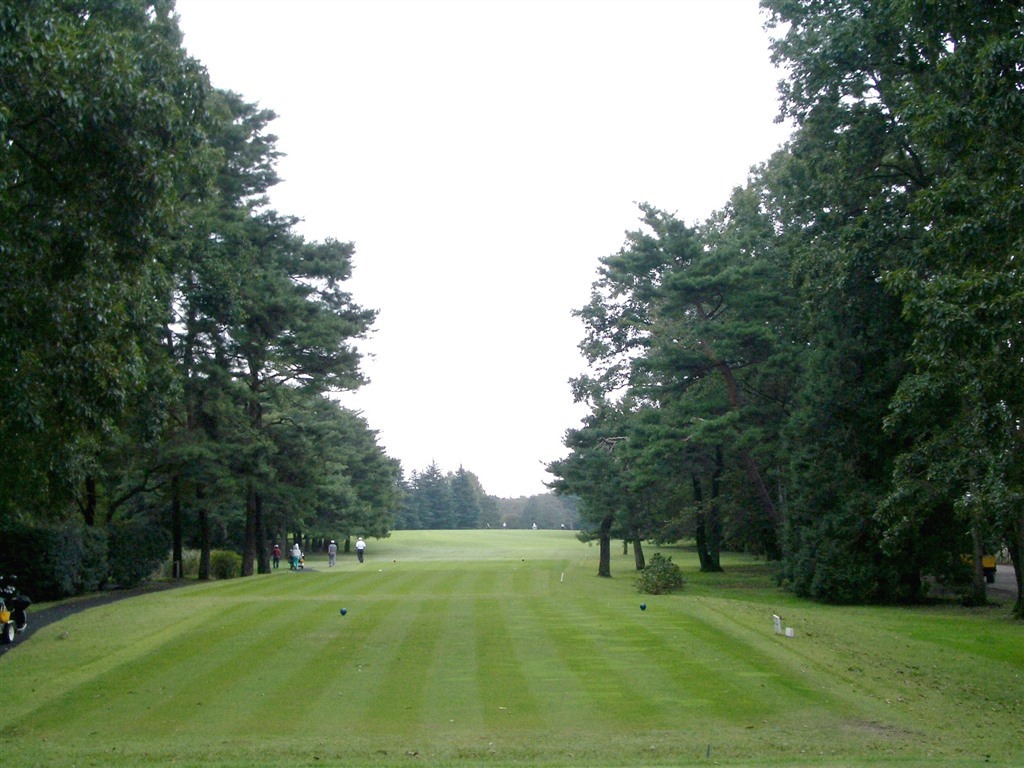
| A
relatively short but superbly designed par 4. If you are a risk taker who can
hit a precise ball within 30 yards of trees on both sides, you can use a driver.
If not, the best route is to hit 200 yards onto the left side of the fairway by
using an iron or a fairway wood, and then trees positioned in the center of the
fairway won’t disturb your second shot. The elevated green is swung to right and
deep bunkers around the green come into play, so an accurate second shot is required. |
| |
|
|
| |
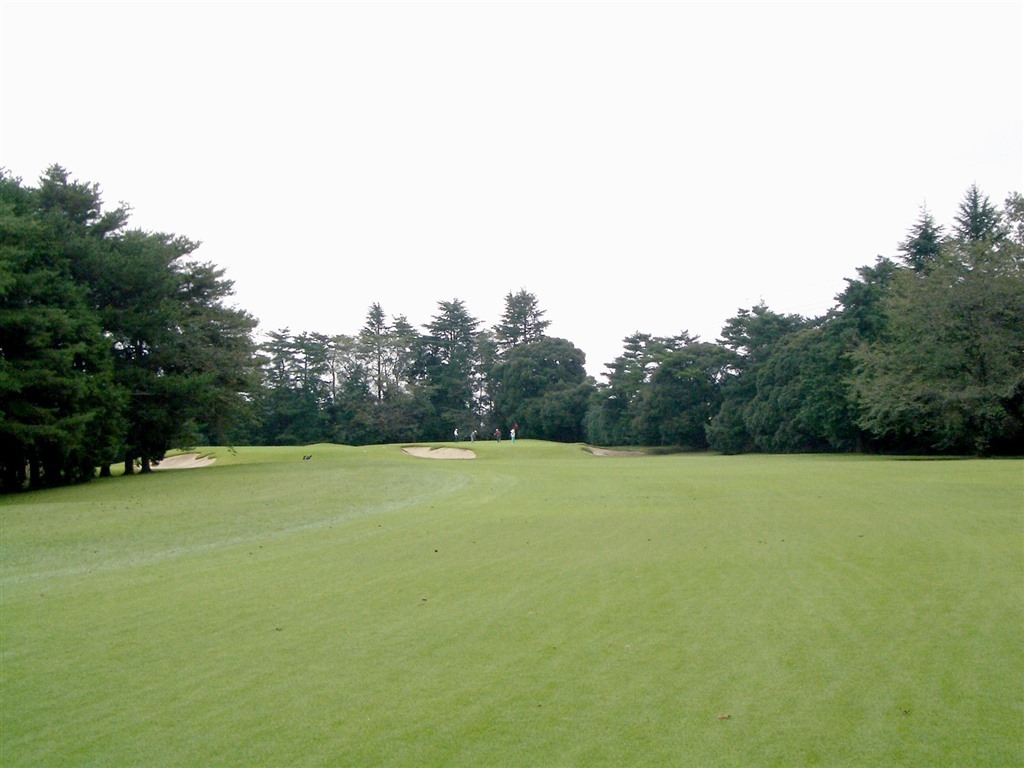
| A long par 5 that could be almost
straight or slight double doglegs depending on your course management as 2 bunkers
are placed in the center of the fairway will limit your options. You should aim
onto the left side of the fairway on the second shot as there is a big bunker
in its landing area. The green is slightly elevated and protected by bunkers on
both sides and trees on the left of the green. |
| |
| |
| A
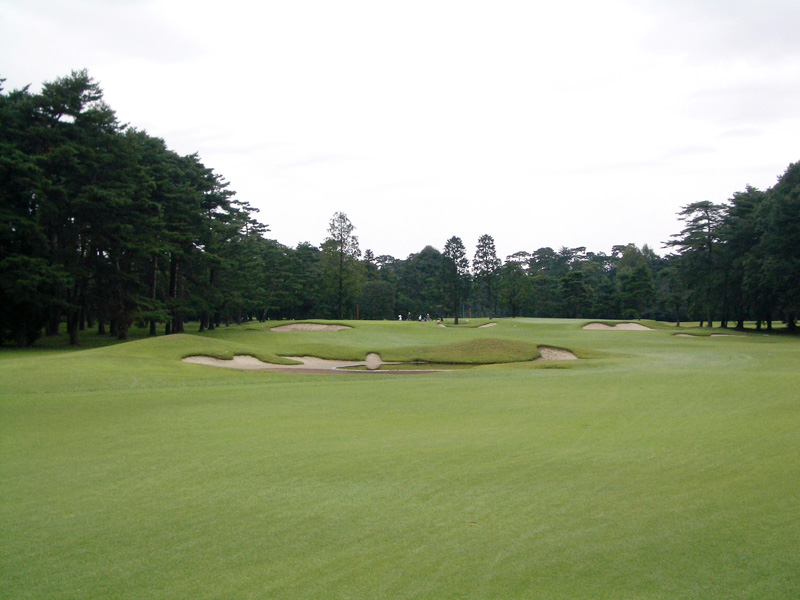
straight, relatively long par 4. A carry of 240 yards is needed to clear a deep
and long bunkers placed on the left half of the fairway. The green is elevated
and slopes sharply from the back to the front. |
| |
| |
|
|
| |
| An impressive par 3. The green is
elevated. Big bunkers, 2 meters (7 ft.) deep await your bad shot. |
|
| |
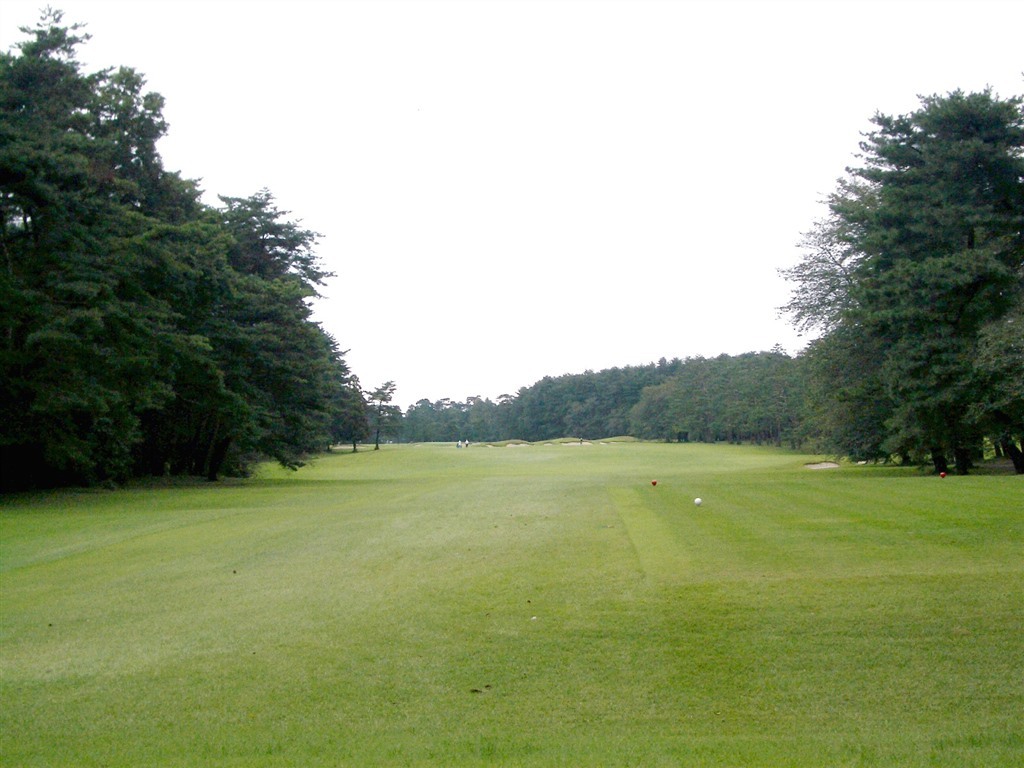
| A slight dogleg to the left.
The green is deep & narrow and slopes sharply toward to the front. |
| |
| |
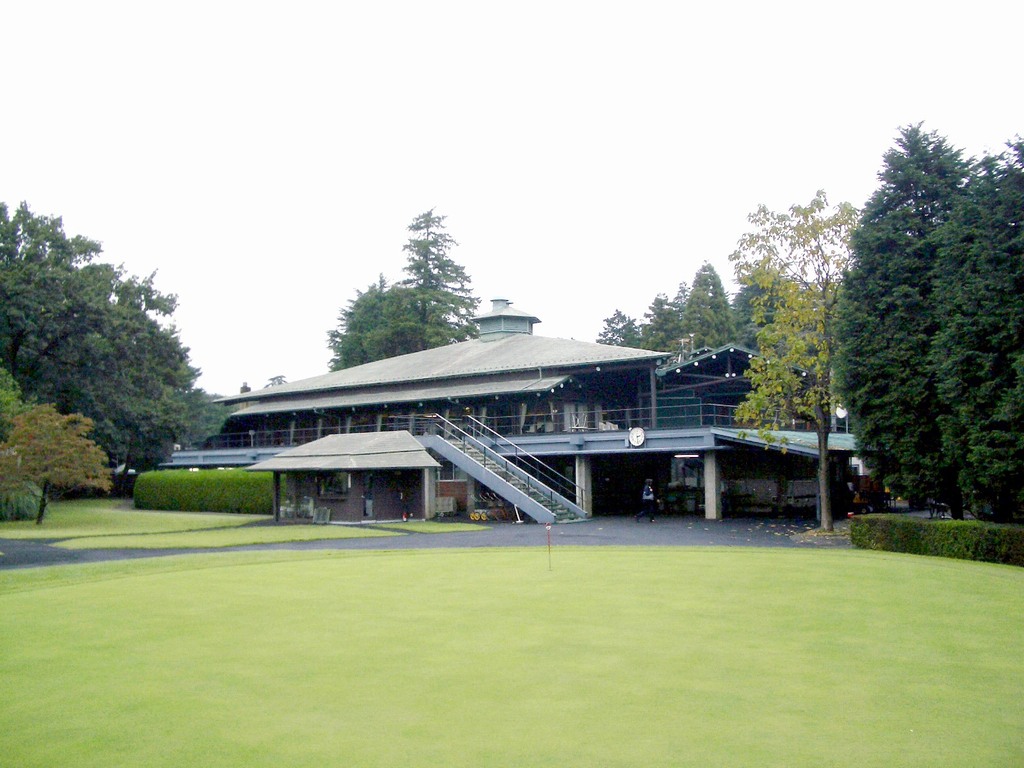
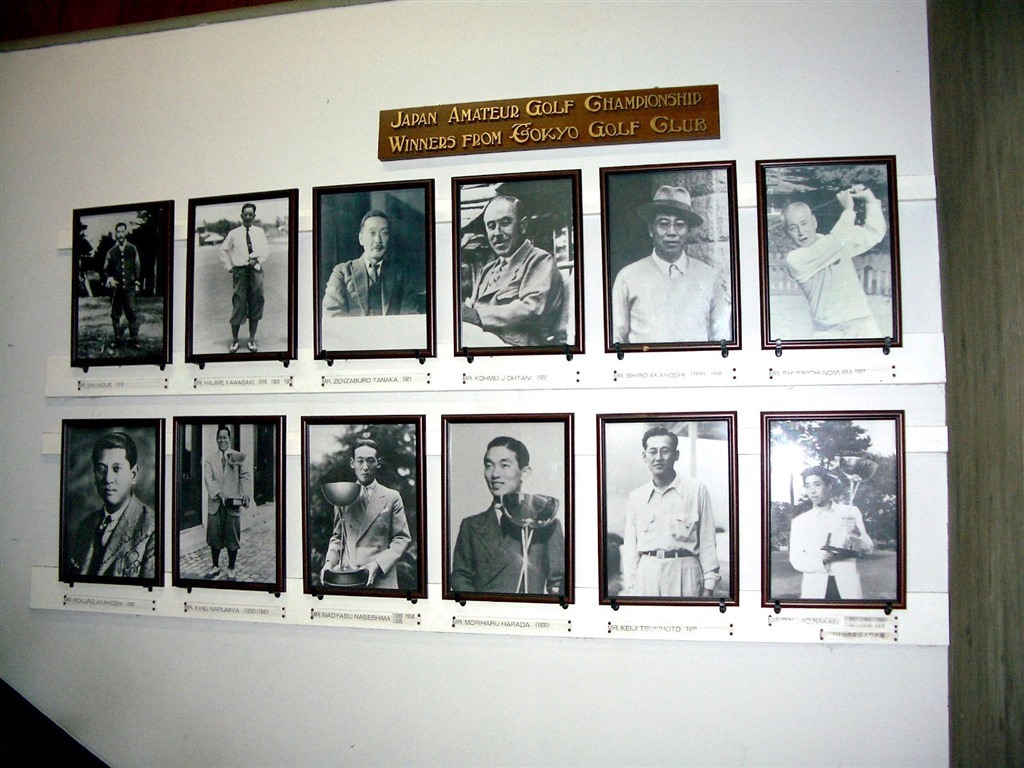
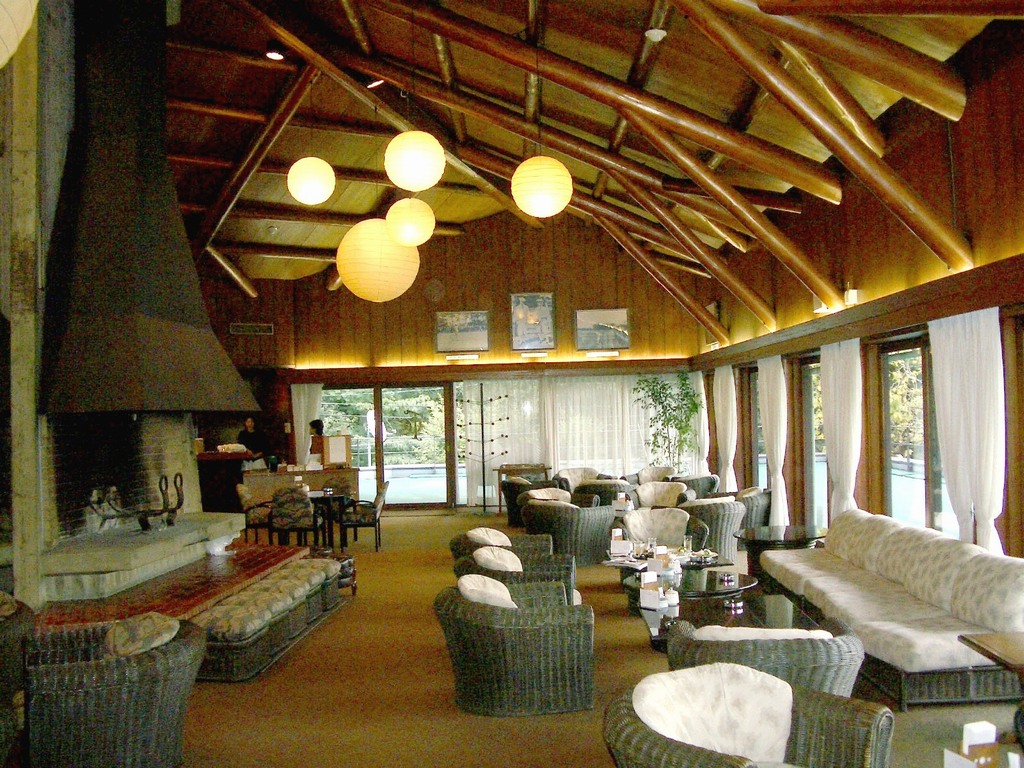
| It takes 1 hour from Central Tokyo
by car. The clubhouse provides relaxing atmosphere. The Salt beef salad I ate
for lunch was delicious. The picture below shows the successive club champions
of this club in old days. The third person from the right in a upper row is the
course architect, Mr. Mitsuaki Otani who has a presence like a “God Farther” and
is different from Japanese in appearance. His family owns a historic temple. He
came across golf when he studied abroad in England. He is the first person who
introduced the golf rules to Japan by translating English rule books into Japanese
and laid the basis of Japanese golf.
|
| |
| The course was awarded 4th place in 2002’s Japanese golf
course rankings sponsored by Japan Golf Classic Magazine.The other Mitsuaki Otani
designed courses in Japan are Nagoya GC – Wago Course (14th of the above ranking),
Kawana Hotel GC - Oshima Course, O-Hakone
CC and Kakogawa GC.
US Golf Magazine ranked it the 94th best course in the world in 2005.
The other selected courses in Asia and Oceania are Royal
Melbourne GC (10th), Kingston
Heath GC (Australia, 20th), Cape Kidnappers (New Zealand, 27th), New
South Wales GC (Australia, 34th), Hirono
GC (Japan. 35th), Barnbougle
Dunes ( Australia, 49th), Royal Adelaide GC (Australia, 54th), Kauri
Cliffs GC (New Zealand 58th), Kawana
GC – Fuji Course (Japan, 80th), The Club at Nine Bridges (Korea, 95th)
and Naruo GC (Japan, 100th).
|
| |
| |
| |