|
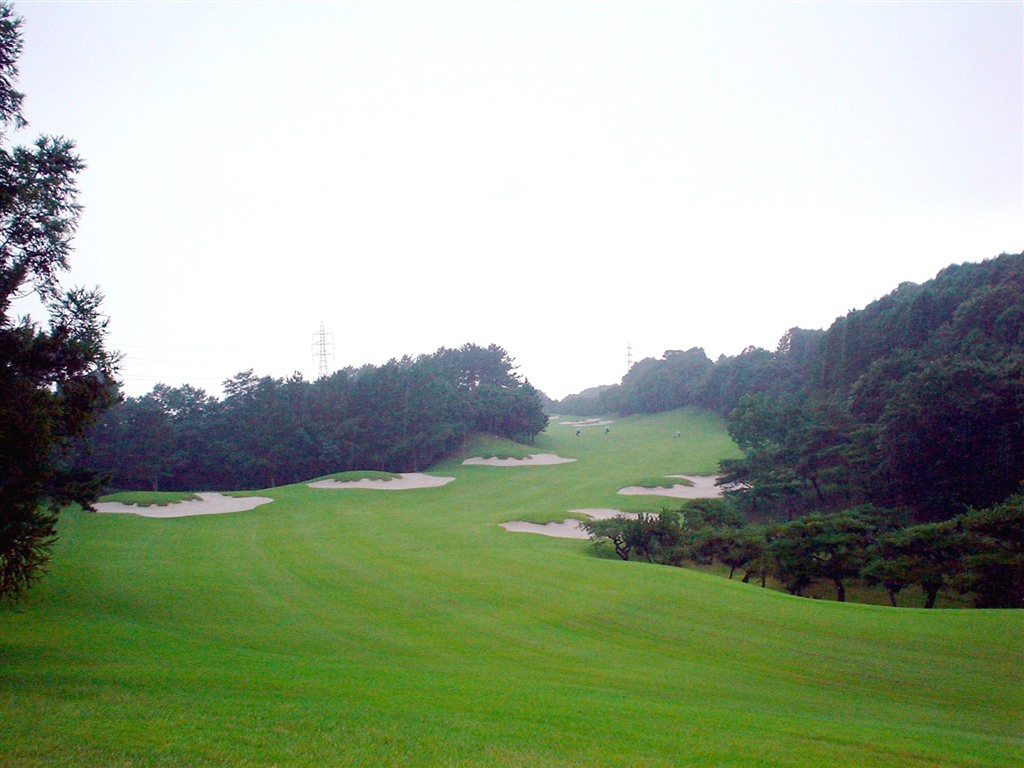
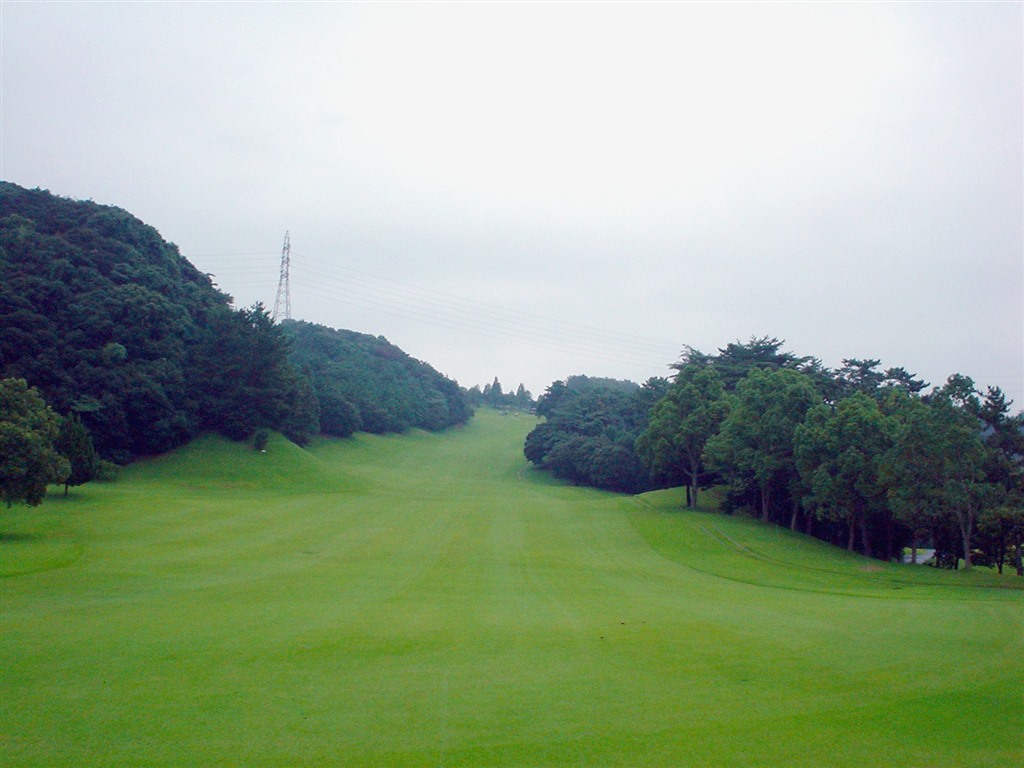
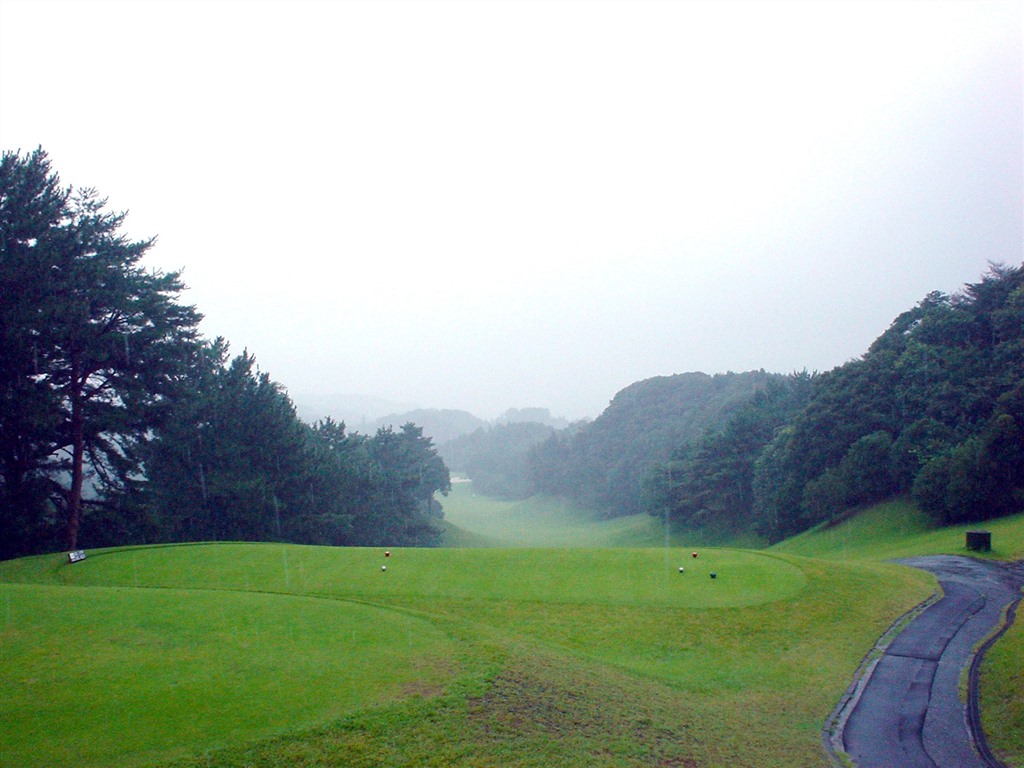
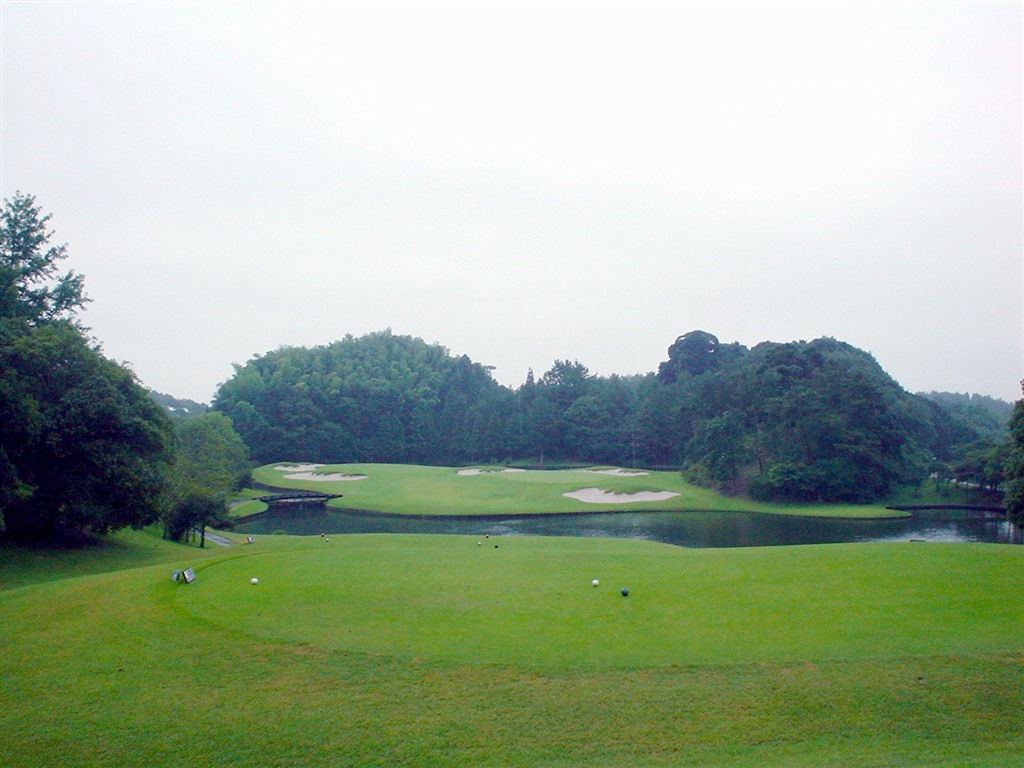
A signature hole. There are two routes to choose off the tee. One is a straight
hole and another is a dogleg to the right. If you can drive accurately with
carry of 230 yards, the hole is linier and easier as you can aim the green
with wedges on the second shot. If you choose the dogleg to the right, the
original route, the hole is much longer, many hazards such as bunkers and
trees come into play, and the hole is very difficult. |
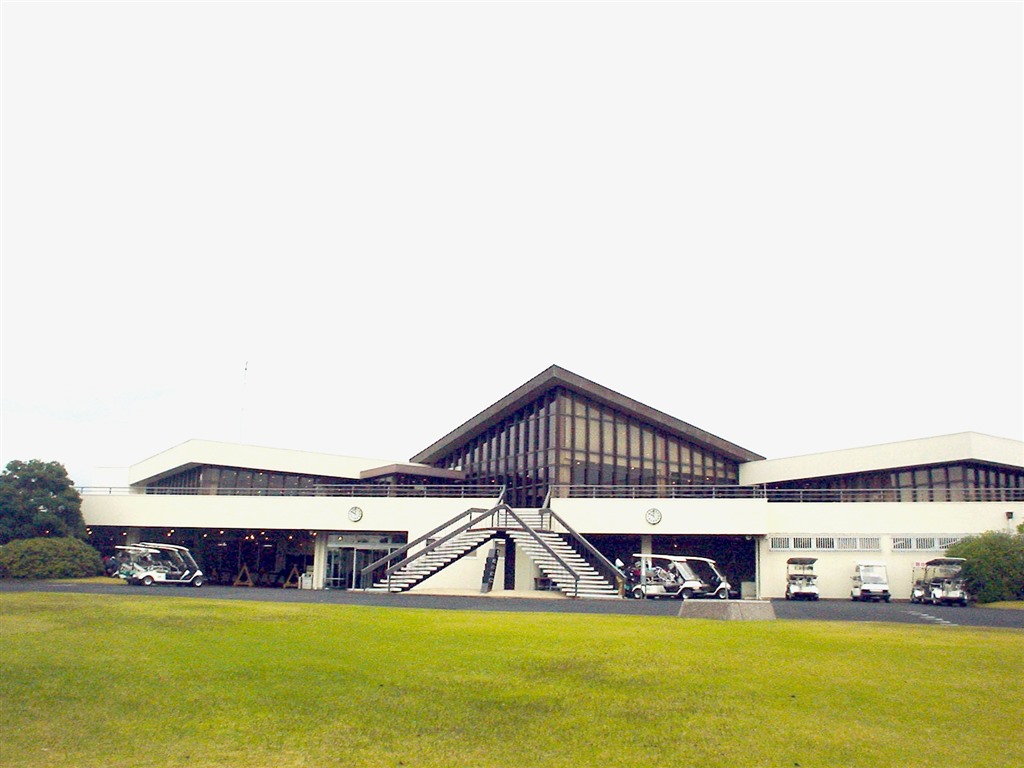
| It is a two-hour drive from Nagoya and a 45-minute
drive from Hamamatsu. Visitors can book through Internet booking agencies.
The delicious lunch buffet in the clubhouse whatever you eat is the highly
recommended.
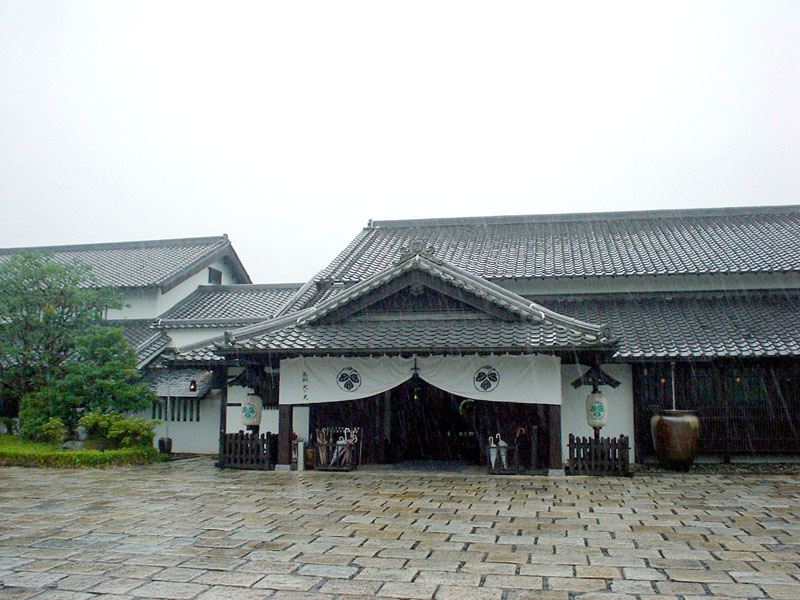
The hotel was built in 1970’s by Mr. Kawakami, who was the owner of Yahama
Corporation at that time. The Katsuragi-Kitanomaru which is next to the
Katsuragi GC is the wonderful performance which rendered luxury. Kitanomaru
is the castle itself rather than a hotel which did not use any halves
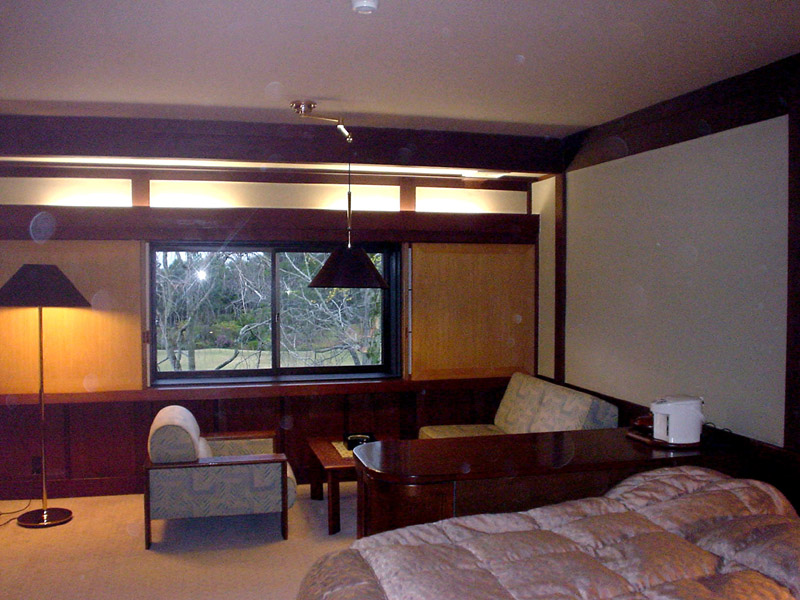
woods but overtook the highest of the wooden structure. Although, I did
not have enough time to stay this time but I was allowed to only have
a look at the inside after the round, as soon as entering into there,
it was very impressive because of feeling the nature of the warmth with
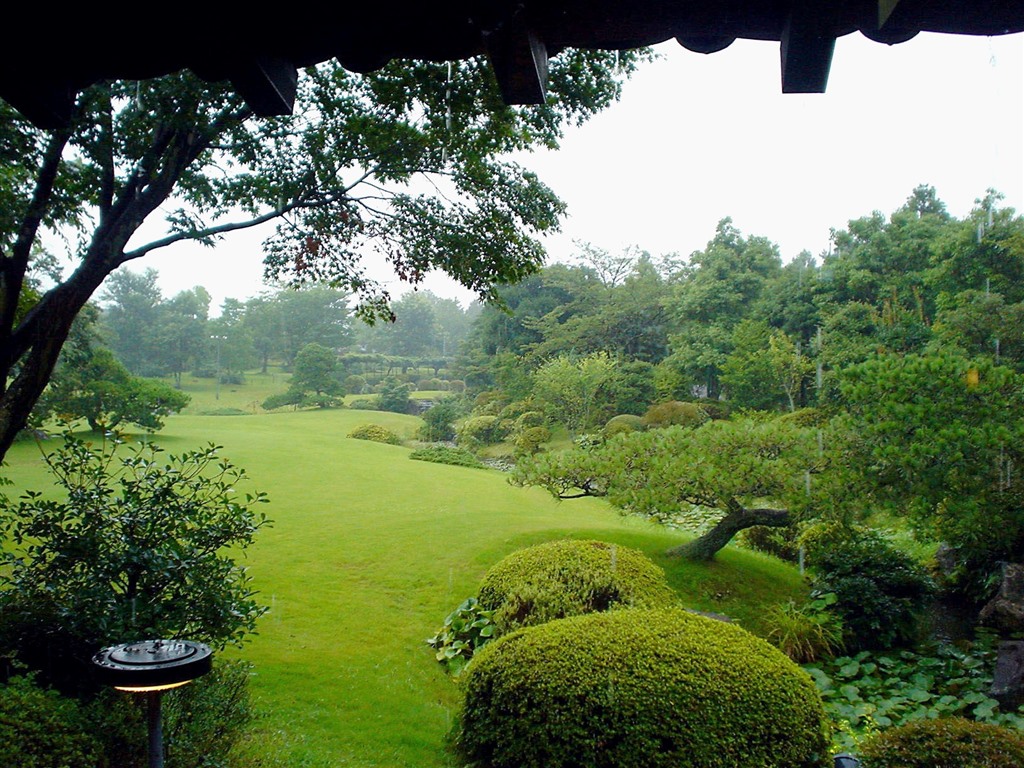
wooden surfaces. The Japanese garden which is located inside is also beautiful,
I would like to stay there if there is an opportunity in future. This
hotel is also famous as the base camp hotel of the representatives of
Japan during the 2002 World Cup Soccer.
The course was awarded 39th place out of 2400 courses in 2002’s Japanese
golf course rankings sponsored by Japan Golf Classic Magazine. The other
good courses in Japan designed by Siichi Inoue are The other great courses
in Japan designed by Seiichi Inoue are Oarai
GC, Takanodai CC, Ryugasaki
CC, Otone CC, Kasumigaseki CC (West Course), Ibusuki GC, and Ibaragi CC
(West Course), Hamano GC, Nikkou CC, Sapporo
GC (Watts Course), Nishinoimiya CC. etc. Within top 100 Japanese golf
course rankings, Siichi Inoue has the largest number, 17. Second is Robert
Trent Jones Jr., (10), third is Jack Nicklaus (7), and fourth is Osamu Ueda
(6).
I personally don’t like a double green system which is peculiar to Japan.
The reason why double greens sued to so popular in Japan is to protect
greens. Hazards around the green come into play to one green but not to
another green, which doesn’t make sense to me because I think that the
target area should be narrower as it close to the green.
However, after I played with each hole of double green system today for
the first time in two years, I felt to play into either green of 2 becomes
more difficult than to play into the big bent-grass one green as the greens
becomes smaller in double green system. When the greens are elevated like
today’s course, you need to hit more accurate shots to hit onto the greens,
which becomes quite challenging. Furthermore, hazards are sufficiently
in play on both greens thanks to Mr. Seiichi Inoue’s brilliant design,
you can enjoy for 2 different courses for one course with double green
system. It is twice delicious at one grain.
|
.jpg)

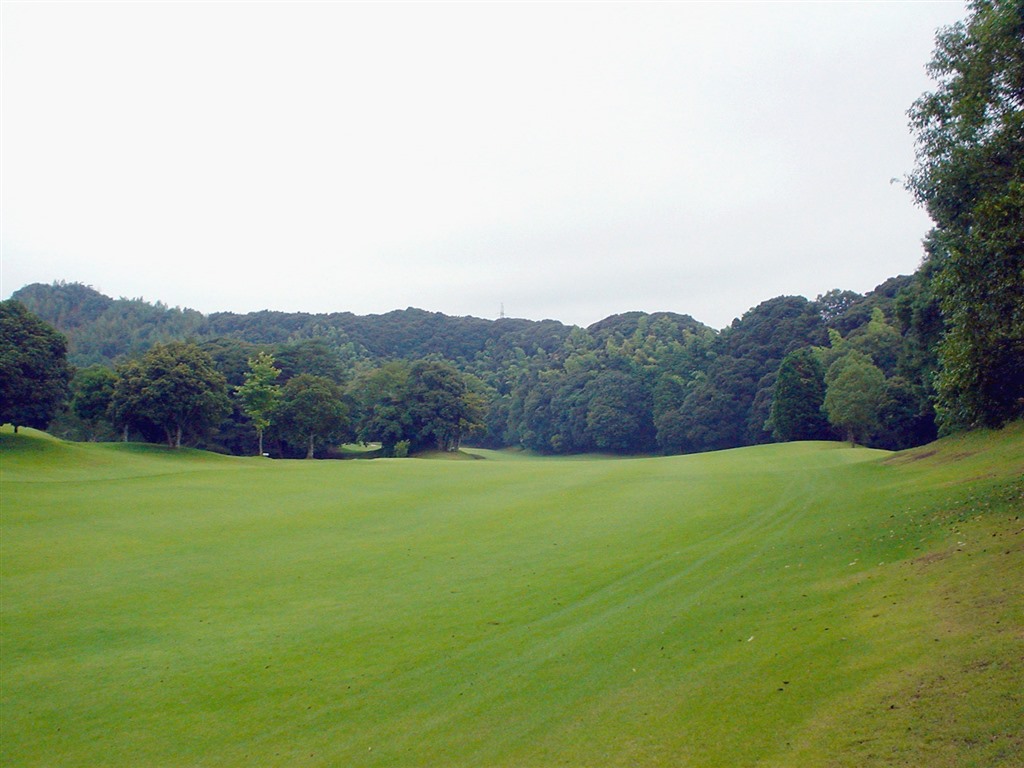
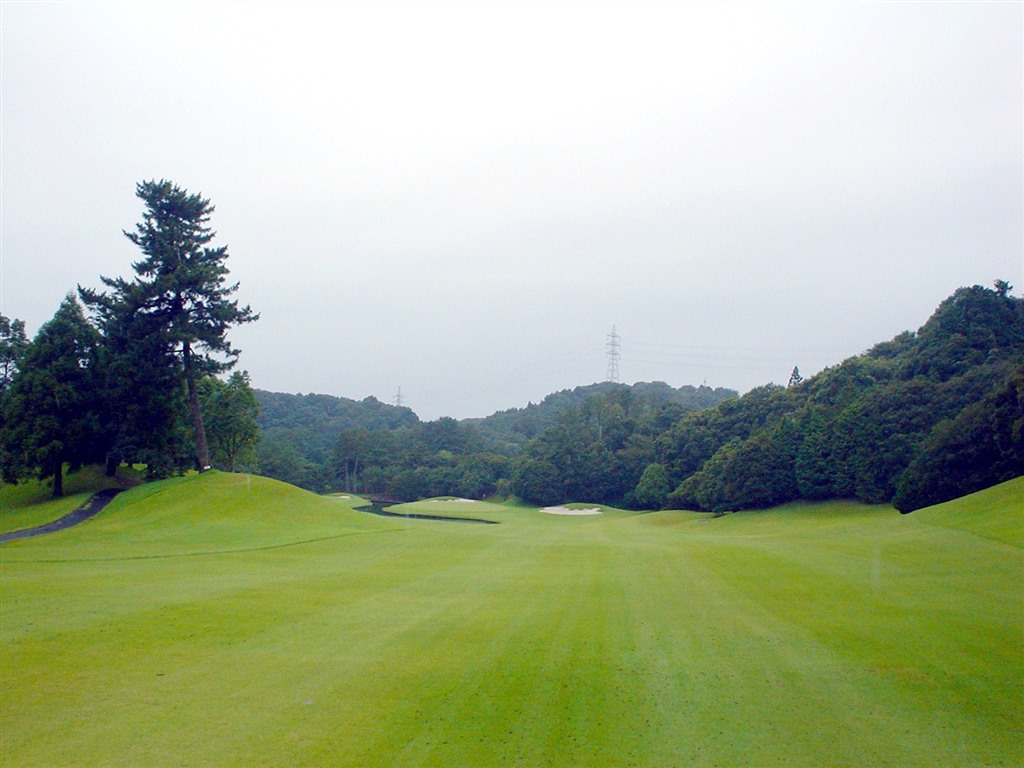
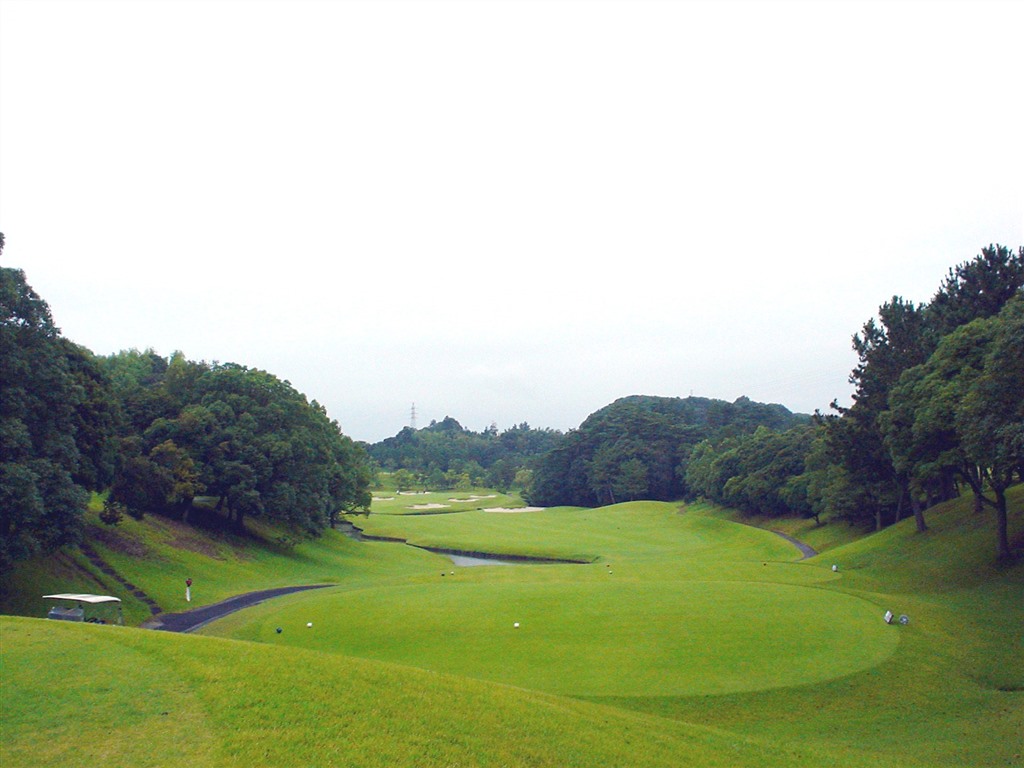
Hole 2 Par 4 431 yards